

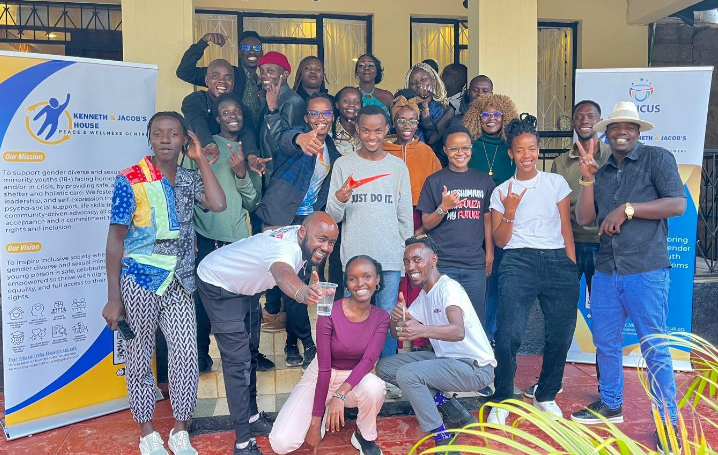
On September 18, 2025, Kenneth & Jacob’s House, in collaboration with JINSIANGU and with support from CIVICUS, held a powerful community engagement workshop. Twenty-nine courageous youth from different backgrounds came together: voices from urban and rural areas, in their diversities in gender, orientation, expression, and lived realities. We gathered not just to talk, but to listen deeply, share truth, and connect around the lived experiences of SOGIESC (Sexual Orientation, Gender Identity, Gender Expression, and Sex Characteristics) youth in Kenya.
What’s SOGIESC?
It’s more than an acronym; it is about identity, survival, dignity. SOGIESC encompasses:
Sexual Orientation, Gender Identity, Gender Expression, and Sex Characteristics. It’s about attraction, identity, how one presents themselves, and biology all spheres shaping lived experiences.

Voices That Matter; Raw Stories from the Ground
The heart of the workshop was youth storytelling, often pain-filled but powerful accounts. Stories revealed how stigma and discrimination lead to evictions, denial of health services, and even police harassment. One youth shared how an Identification documentation, that didn’t match who they truly were led to rejection and homelessness, showing how systemic barriers build mountains of challenges for SOGIESC youth.
“As a transgender man living in Kenya, my journey has been really tough, especially because of my ID documents. Although I know who I am inside, my national ID still shows me as female, the gender I was assigned at birth. This has made everyday life very hard. When I try to apply for jobs or look for safe places to stay, people see my ID and treat me differently; they do not accept me for who I truly am. Because I cannot prove my identity in a way that matches how I live, I have faced a lot of rejection. Eventually, my family could no longer accept me either, and I was forced to leave home. Without proper documentation that reflects who I am, I ended up homeless, feeling very vulnerable and unsafe. It’s like the system does not see me, and that makes surviving so much harder.” ~AX
“I have received eviction notices twice in different premises. The 1st eviction reason was that they were informed of my sexuality, which did not sit well with the landlord. The eviction was with immediate effect regardless of the terms in the tenancy agreement. The police did not help; instead threatened to lock me up. In the 2nd eviction letter, the reasoning given was that my sexuality and those that I surround myself with were a threat to the religious and community values of the area, even stating it was a threat to the well-being of the children in the area.” ~PW.

Group Work
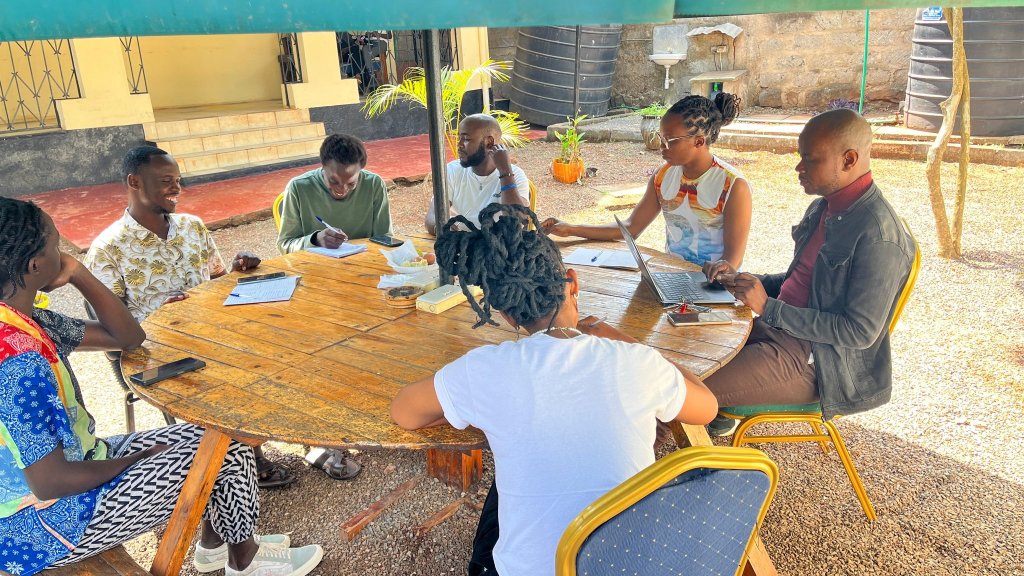
Participants broke into groups to map out the lived realities and major risks of SOGIESC youths as identified:
Digital Dangers: Cyberbullying, doxxing, blackmail, and government surveillance exacerbate the isolation and fear many face online.
Climate & Environment: SOGIESC youths are excluded from climate justice efforts, green jobs, and even basic disaster relief, especially in rural areas.
Health Barriers: Stigma limits access to healthcare, including mental health and sexual/reproductive health services.
Legal & Social Barriers: Criminalization, family rejection, police harassment, employment discrimination, and lack of inclusive shelters create a storm of vulnerability.

Workshop Solutions Spotlight
- Smash Stigma: Equip healthcare workers, service providers, and law enforcement with inclusive practices, and drive public education that dismantles harmful myths and celebrates diversity.
- Safe Spaces for All: Develop shelters that truly respect gender identity and expression. Push for policies banning housing discrimination on the basis of gender identity, sexual orientation, or expression within all government-supported shelters and social housing programs.
- Health & Healing: Expand trauma-informed mental health and sexual and reproductive health services, while pushing for inclusive, affirming healthcare systems that are accessible to everyone; regardless of their identity, orientation, or expression.
- Stronger Systems: Build coordinated, inclusive networks among NGOs, community groups, and government agencies; ensuring youth voices lead and shape every decision that affects them.
- Fight for Rights: Strengthen access to justice through legal aid clinics, human rights education, and policy advocacy; equipping SOGIESC youth with the knowledge, mentorship, and tools to challenge discrimination and lead change in their communities.
- Community Safety: Combine community mapping, emergency response systems, and rights education to build coordinated safety networks that protect and uplift SOGIESC youth across all regions.

Why Such Workshops Matters To Us!
If you’re passionate about human rights, equality, and amplifying unheard voices, this workshop is a call to action. Each story we heard reminds us that behind every statistic is a young person yearning for dignity, safety, and belonging. Through continued advocacy, education, and community building, we can help unmask queer homelessness; transforming pain into possibility and opening doors to hope and healing.
For more info, contact: kennethandjacobhouse@gmail.com.
 Kenneth And Jacob's House
The partnership between KENJAC, JINSIANGU, and CIVICUS is doing vital work in making visible what society often chooses to ignore.
LikeLiked by 1 person
[like] John Miano reacted to your message:
LikeLike