Choose what you came to do.
Public routes are short on purpose. A request should reach the right team without making you learn the organisation first.
A home became a response. The response became an organisation.
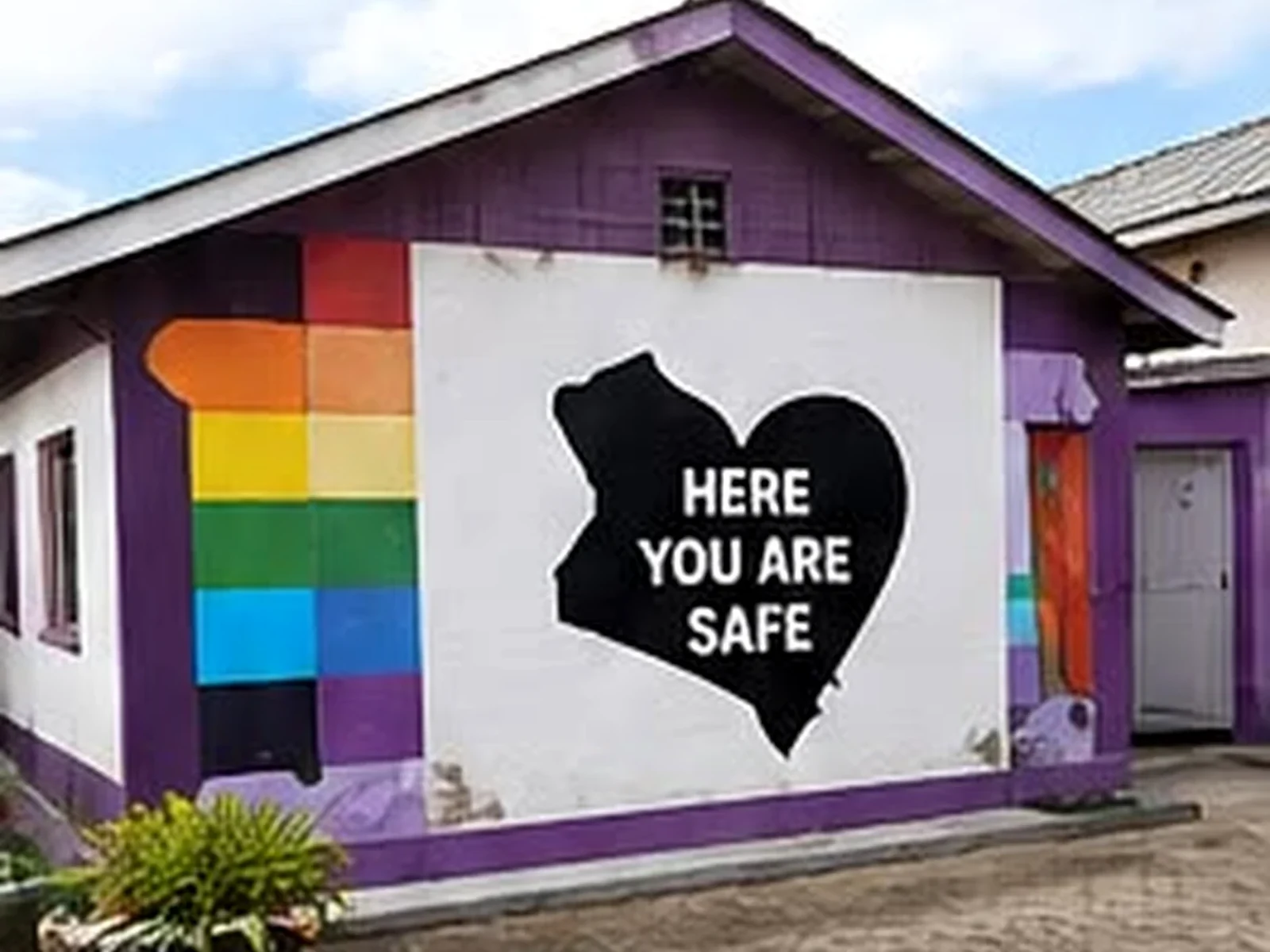
Kenneth & Jacob's House was founded in 2020 in response to the housing and safety challenges facing gender-diverse and sexual minority young people in Kenya. What began by opening a home to people in crisis grew into a structured shelter and support initiative.
We listen to what is happening, what feels unsafe and what kind of support you are hoping for.
Explore how support works →Depending on your situation, available support and what feels appropriate, this may include shelter, wellbeing support, practical assistance or referral to another trusted service.
Provide safer shelter, psychosocial support, practical pathways and community connection while protecting dignity, consent and agency.
A society where safety and belonging are not conditional.
Gender-diverse and sexual minority young adults can live with dignity, equality and meaningful access to their rights and opportunities.
Four connected parts of one support journey.
People do not have to fit neatly into a programme. The route depends on the situation, available support and what the person wants to work on.
Safer shelter
Temporary accommodation, structured support and planning toward a more stable next step.
Transitional housing → Wellbeing & Psychosocial SupportWellbeing
Psychosocial support, counselling, safety planning and referral to additional care where useful.
Mental health & support → 03Practical pathways
Health, documentation, skills, livelihood, legal and other referrals that can remove barriers to stability.
Practical support → 04You can learn about the available support, contact us directly or begin through the online support form. You do not need to know exactly which programme you need before reaching out.
Peer relationships, alumni connection, shared learning, volunteering and trusted partnerships beyond immediate crisis.
Community →A practical view of the work.
Organisation-reported cumulative indicators. Different services can overlap, so these figures are not presented as a count of unique people.
people reached through awareness, advocacy and community activity
The next step changes as the situation changes.
There is no single sequence everyone must follow. This is a picture of how different parts of KENJAC can connect when they are relevant.
Contact, referral or another public route.
Safety, housing, wellbeing and what matters now.
Direct support, practical planning or referral.
Community, follow-up and longer-term pathways.
Support should add options, not take control away.
Safeguarding is not only a policy. It is visible in how information is handled, how choices are explained and how concerns can be raised.
Dignity
People are not case numbers or public stories.
Choice
Options and consequences should be explained clearly wherever possible.
Privacy
Sensitive information should have a legitimate purpose and controlled access.
Accountability
There are public routes for feedback, complaints and safeguarding concerns.
No organisation does this work alone.
Rights, community, technology and other partners can widen the choices available to people connected with KENJAC.
What KENJAC is doing, noticing and sharing.
Public storytelling should protect consent and privacy while still showing the work clearly.
Start with the action that fits today.
You can ask for support, make a referral, request a visit, contact the team or raise something safely.