
On 6th June 2025, we had the privilege of bringing together a diverse group of LGBTQIA+ community members, activists, and grassroots leaders for a community engagement workshop focused on the Universal Periodic Review (UPR) process. It wasn’t just another meeting, it was a powerful moment of shared learning, reflection, and organising.

For many of us, the UPR can feel distant and technical. But during this session, we took time to unpack what it really means and why it matters for our lives. We created a safe space to break down the framework in plain language, reminding everyone that the UPR is not just a UN mechanism, it is one of the few opportunities our communities have to shape how governments are held accountable for human rights. When we speak up through this process, our stories become part of the international record, and our priorities can inform real policy change.
Participants shared lived experiences of discrimination, violence, and exclusion not as statistics, but as everyday realities. Many talked about the ongoing barriers to healthcare, education, and employment, as well as increased cases of extortion and threats simply because of their sexual orientation or gender identity. Hearing these stories grounded us. It reminded all of us that we are not advocating in theory we are advocating for real people in our communities whose safety and dignity are still being denied.
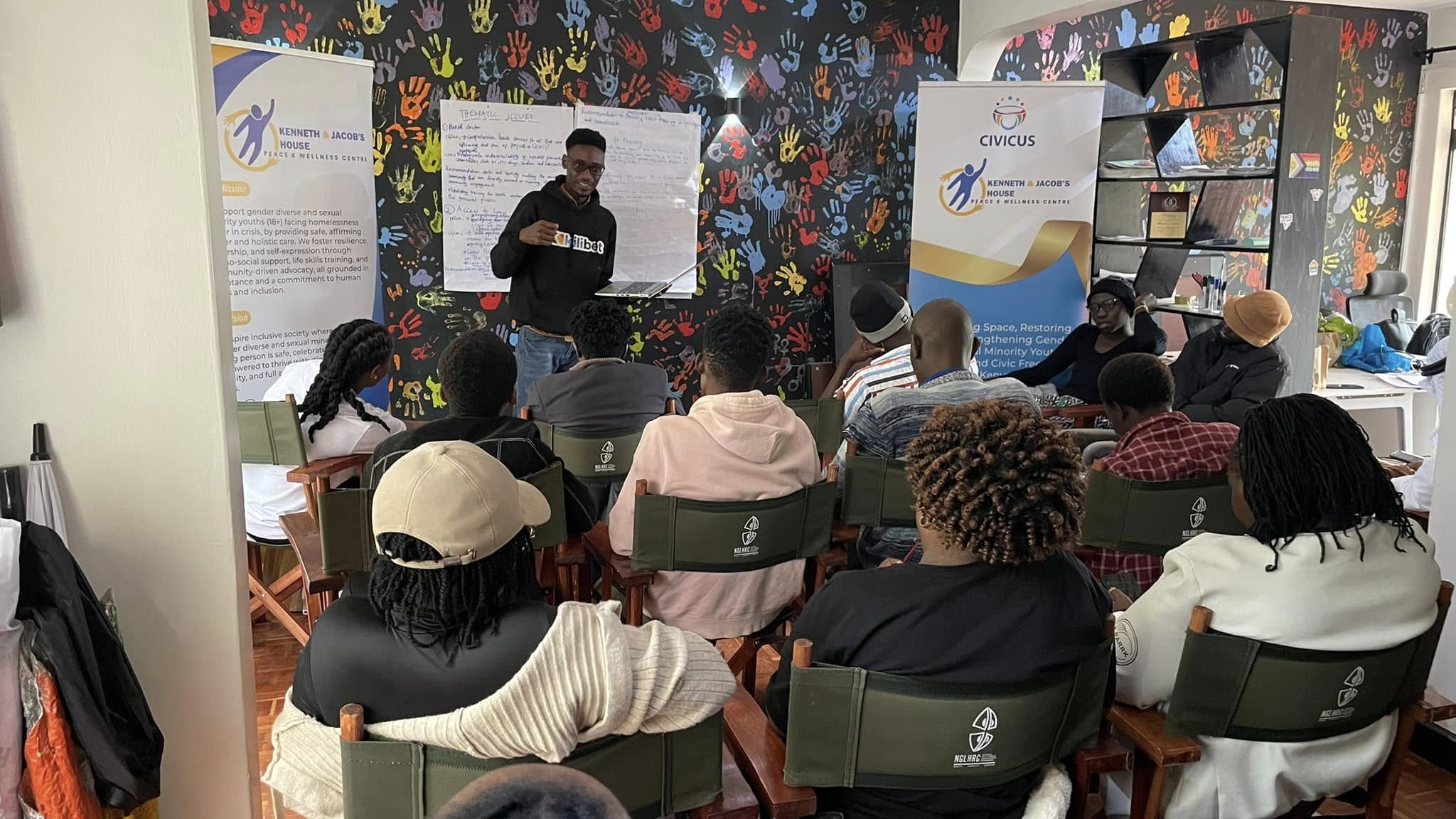
We also reviewed the recommendations made during previous UPR cycles and reflected on what has (or hasn’t) changed. Many participants were surprised to learn that several recommendations related to the protection of LGBTQIA+ people were accepted by the government but have never been implemented. This created space for constructive frustration. Why do governments accept recommendations they never intend to act on, and how do we respond strategically?
One of the biggest strengths of the workshop was the exchange of ideas. People shared practical strategies for how civil society can influence the UPR process from engaging with diplomatic missions, to submitting shadow reports, to mobilising community voices around specific recommendations. We recognised that our power lies in being coordinated and consistent. For the next UPR cycle, we agreed on the importance of collecting updated data, amplifying testimonies, and ensuring that those most affected are at the forefront of advocacy.

Another important discussion focused on safety and digital security. Given the current environment of online harassment and surveillance, participants highlighted the need to protect themselves while engaging in the UPR process. We explored ways to share information securely and stand in solidarity when someone is attacked or threatened.
By the end of the workshop, something remarkable had happened. What started as a technical conversation about a UN mechanism turned into a collective reaffirmation of why our work matters and why we refuse to be silent. Participants left with a deeper understanding of the UPR and a renewed commitment to push for meaningful implementation of recommendations. More importantly, they left feeling less isolated reminded that we are part of a broader movement that believes in justice and equality for all people, regardless of their identity.
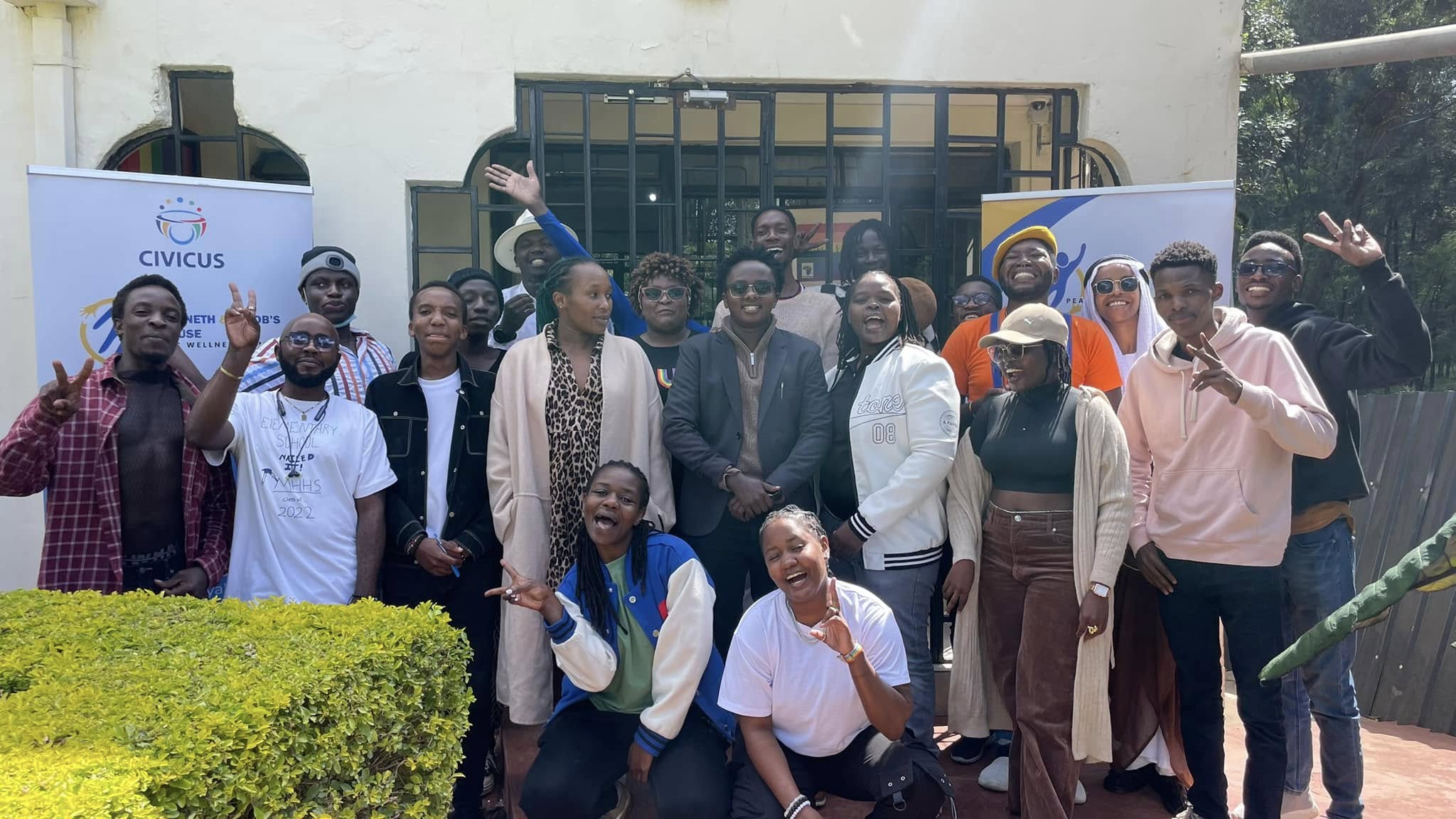
We are incredibly grateful to everyone who attended and shared their voice. Your courage and honesty drive this work forward. As we move into the next phase of the UPR, we will continue to walk together, raise our concerns boldly, and demand that our rights are fully recognised and protected.
“Because our stories and our lives deserve to be part of every human rights conversation.”
 Kenneth And Jacob's House